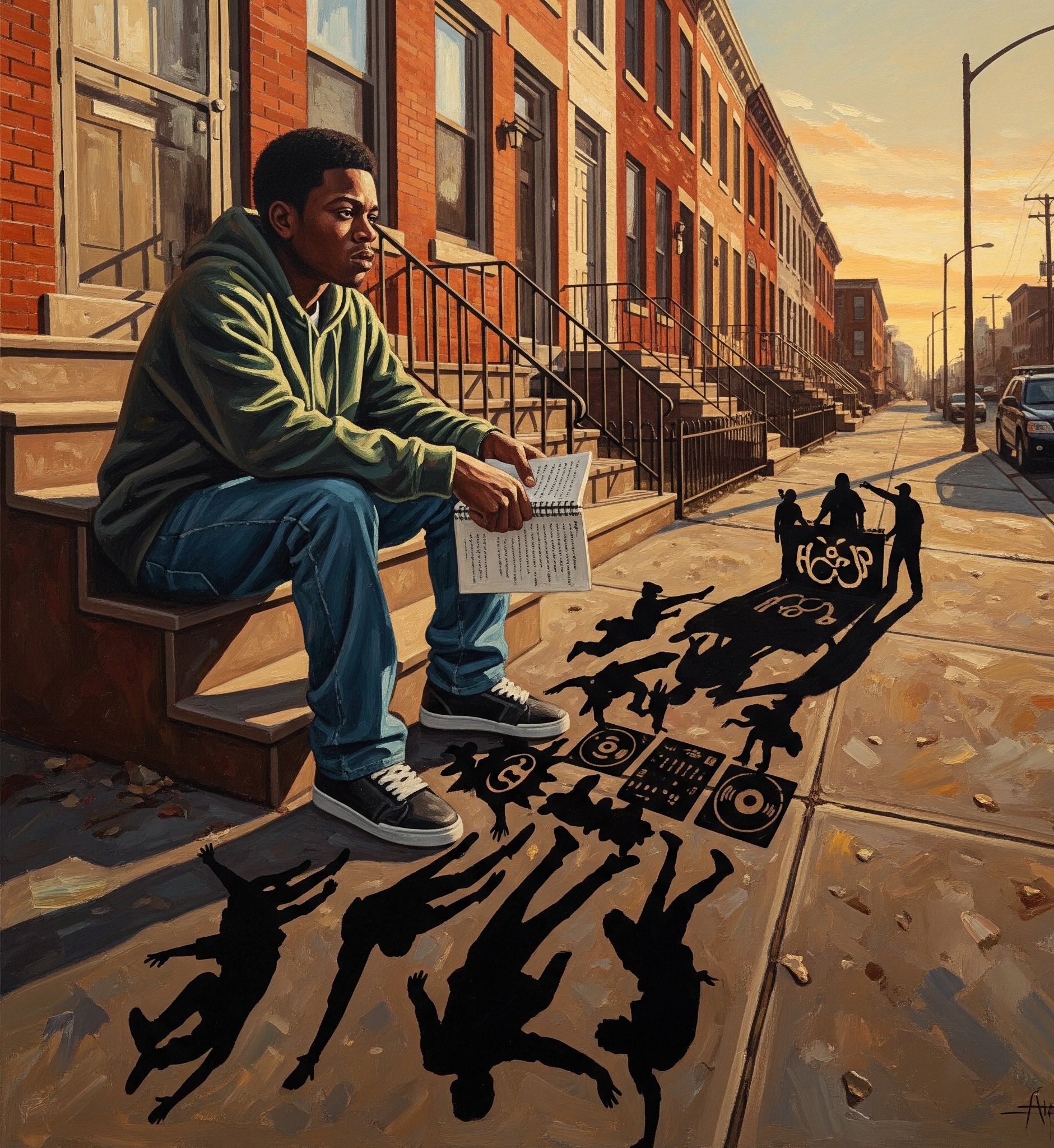
In the heart of Philadelphia, a city rich with cultural heritage and artistic history, one might expect to find a thriving hub dedicated to hip hop, a genre and movement that has transcended boundaries worldwide. Yet, despite the city's storied musical landscape, there exists a glaring absence of dedicated hip hop venues, museums, and community centers. This oversight not only neglects the profound influence of hip hop but also stifles the potential benefits it can offer to the city's youth and adult populations.
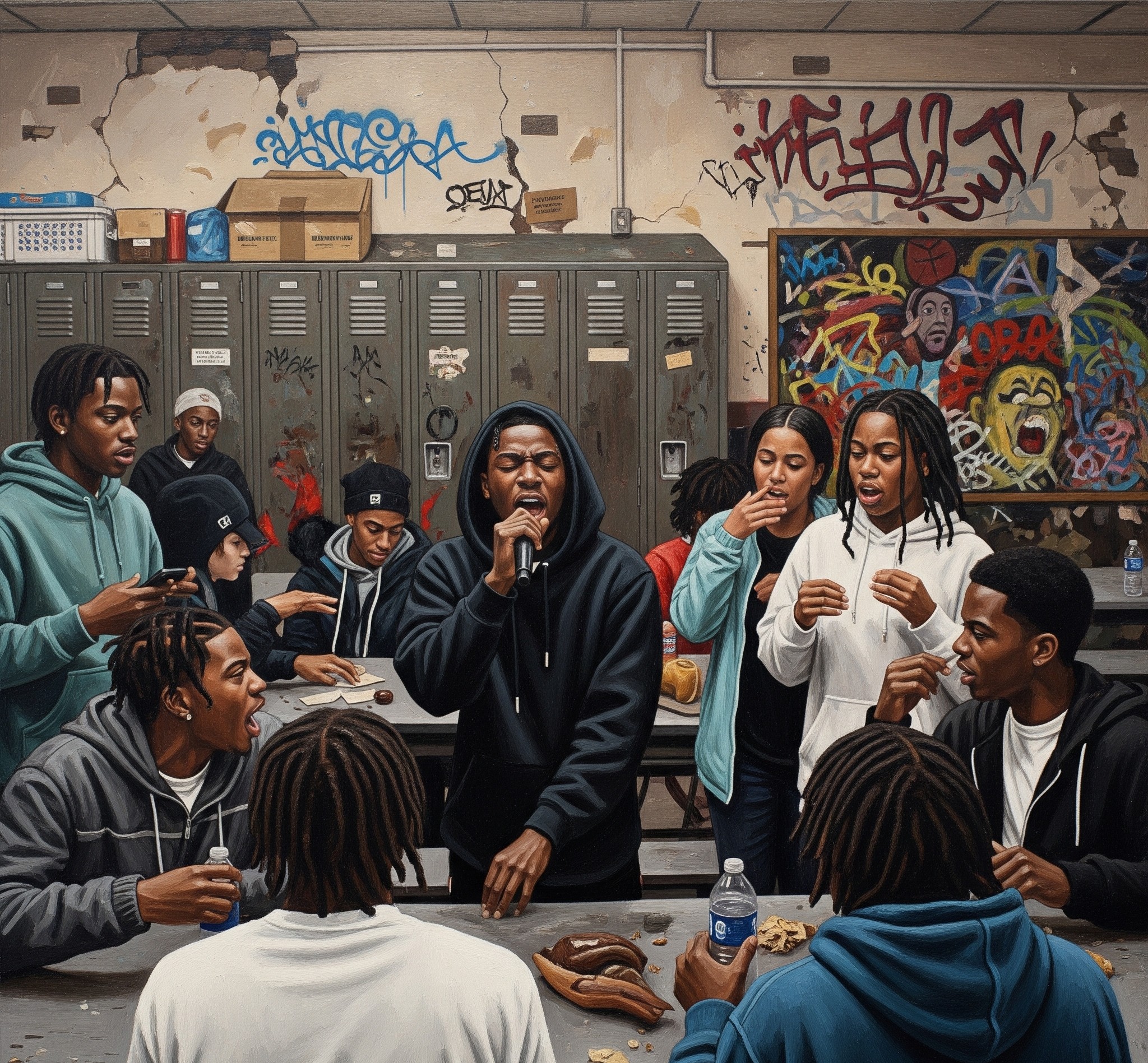
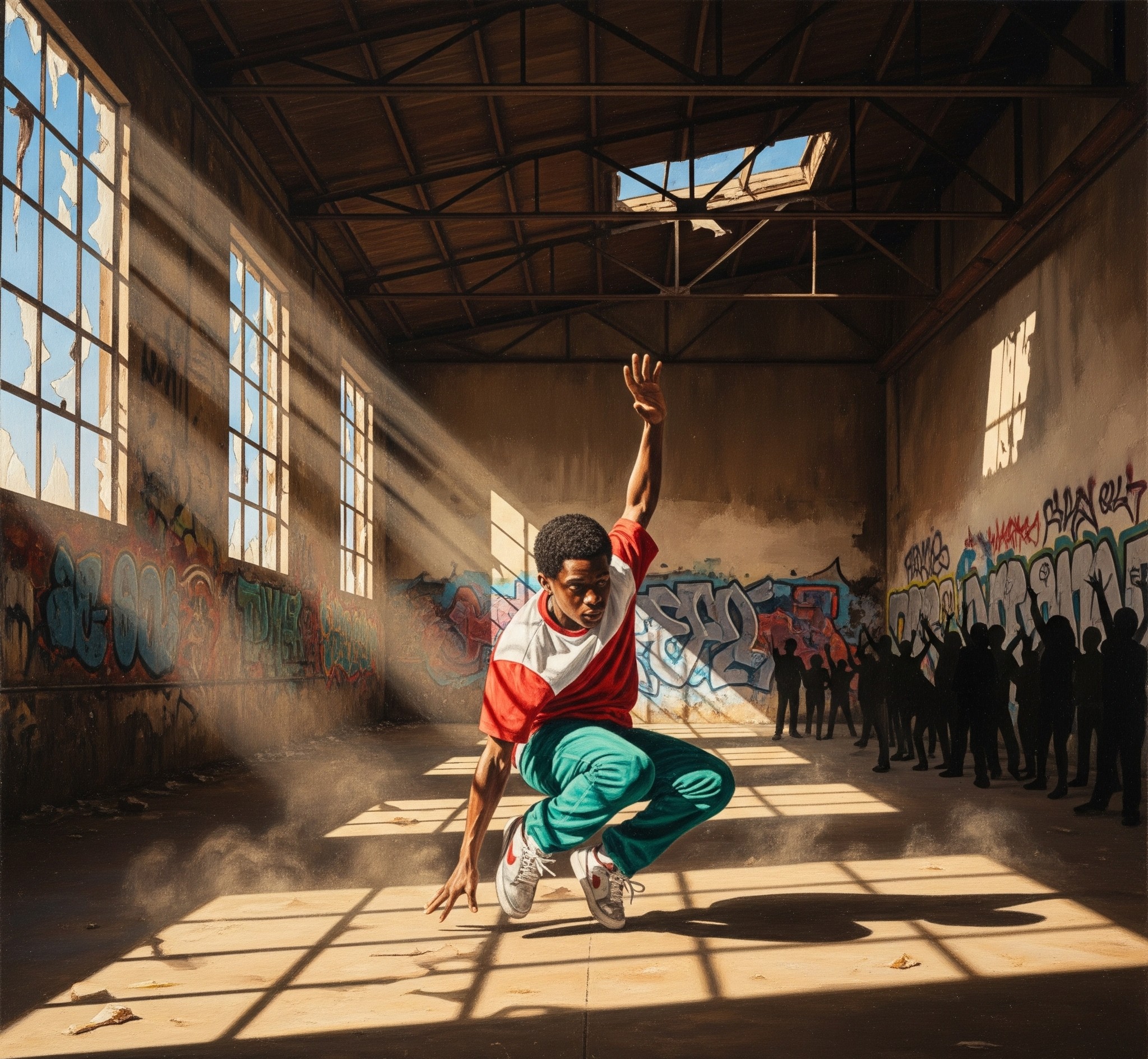
Among the underserved African American communities, the vibrant culture of hip hop is more than just a form of expression; it's a way of life. However, the lack of dedicated spaces for young people & adults to practice and engage with Hip Hop culture has forced them to take to the streets and school lunchrooms, where rap ciphers become the only outlet for their creativity. Hip Hop is more than music; it's a culture encompassing art, dance, and a powerful mode of expression.
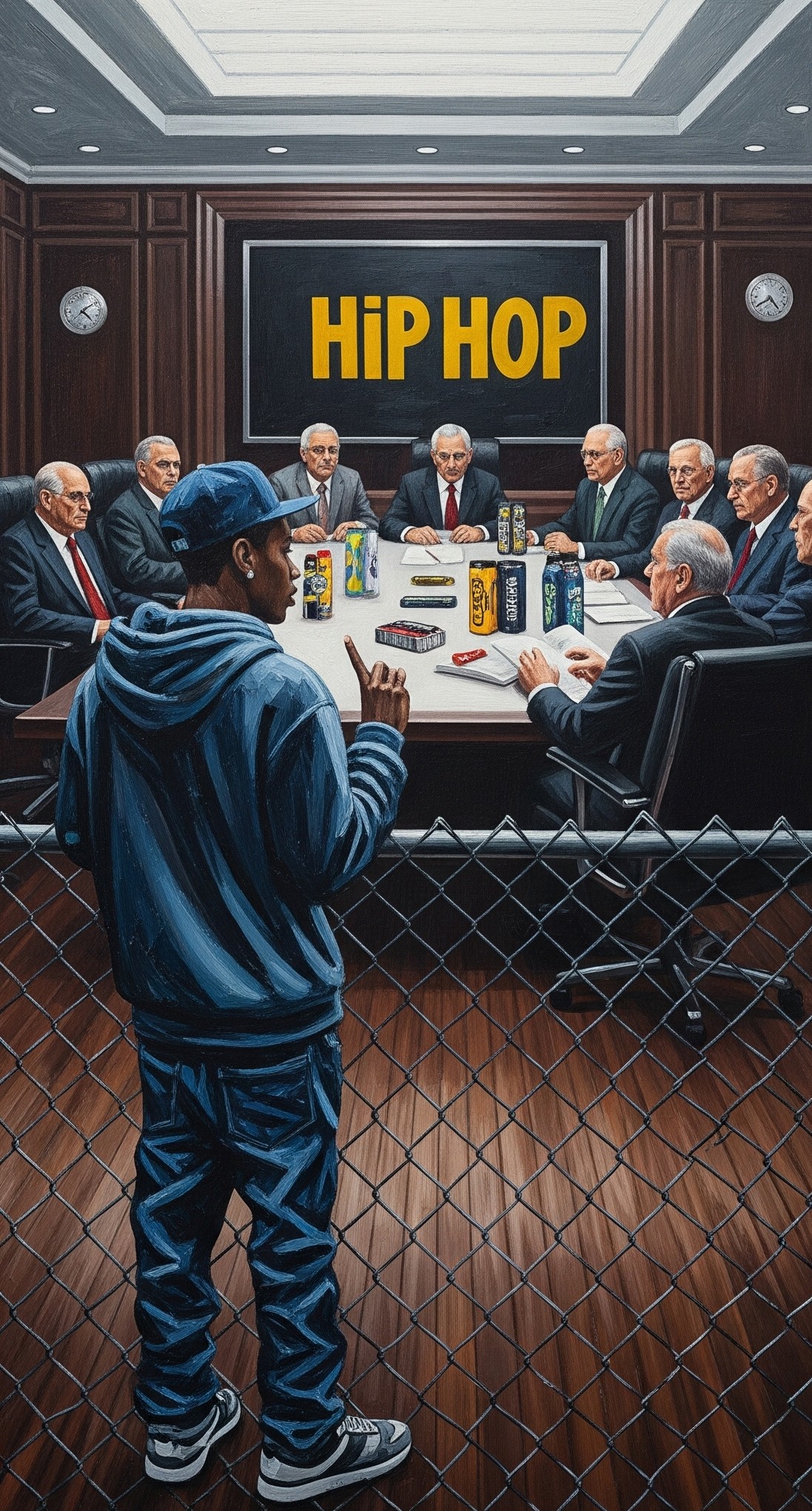
For many, it's a lifeline—a way to tell their stories, cope with their realities, and dream of brighter futures. The lack of hip hop infrastructure in Philadelphia is akin to a community without a church, a place devoid of a central gathering spot where individuals can connect, grow, and find solace. Recognizing this gap, there is a pressing need for a nonprofit organization like The Hip Hop Foundation, dedicated to nurturing young talent and providing a safe space for artistic growth, education, and mental health support. This is normally done, for a profit. Which causes the culture to be sold to the highest bidder or to people who have the resources. But what about those who don't have these resources?
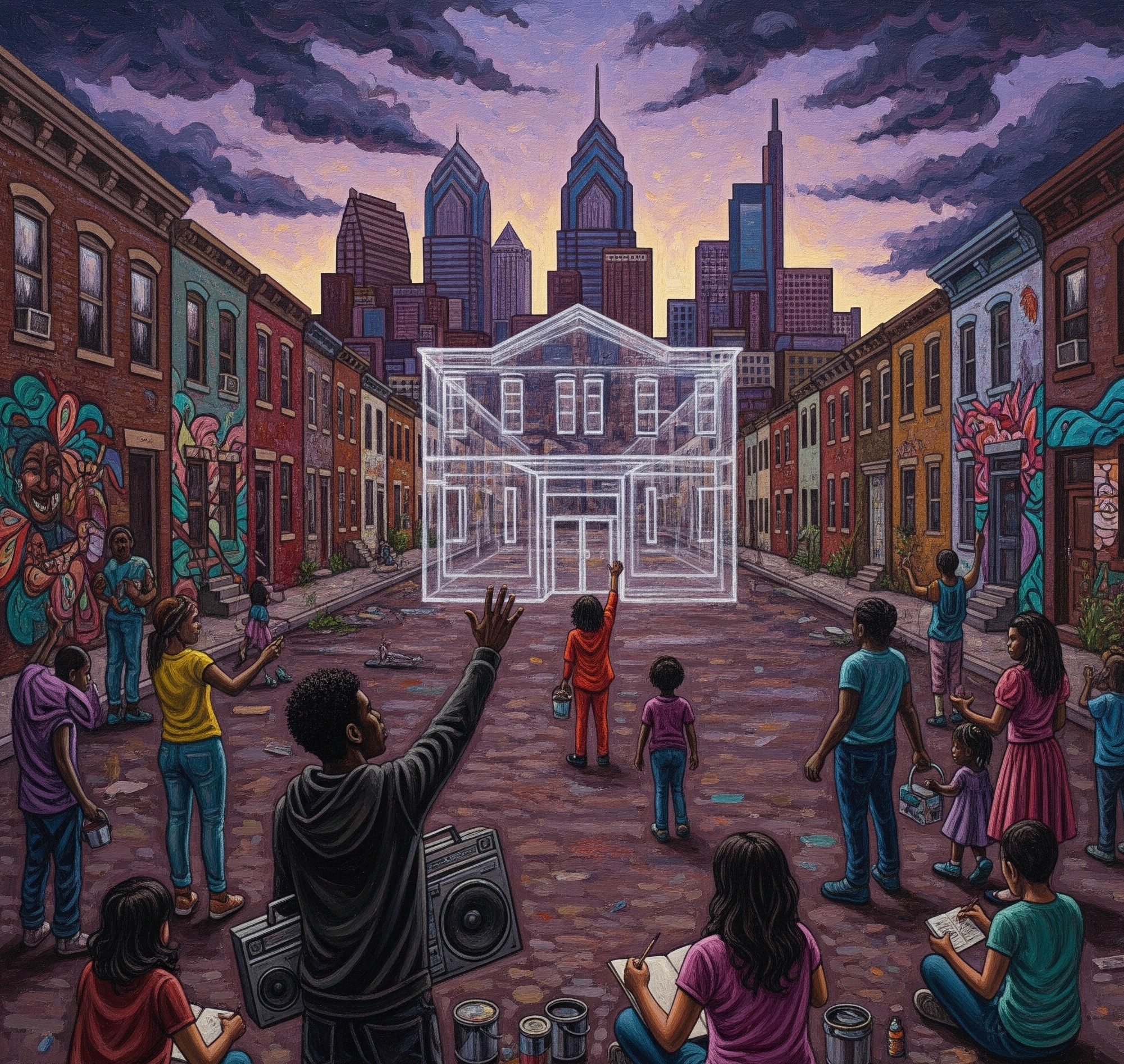
At the core of Hip Hop culture are its fundamental elements: breakin', DJing, emceeing, graffiti, and beatboxing. These elements represent avenues of self-expression, creativity, and community building. Yet, without proper resources and mentorship, many enthusiasts are left to navigate these elements on their own, often in less-than-ideal environments.

Community centers and event venues dedicated to hip hop would offer safe spaces for youth to practice and perform. These venues could host workshops, open mics, and dance battles, fostering creativity and collaboration. They would serve as incubators for local talent, offering resources and mentorship to aspiring artists. Moreover, a hip hop museum could celebrate the genre's rich history and Philadelphia's contributions to it, while educating visitors on the cultural significance of Hip Hop.
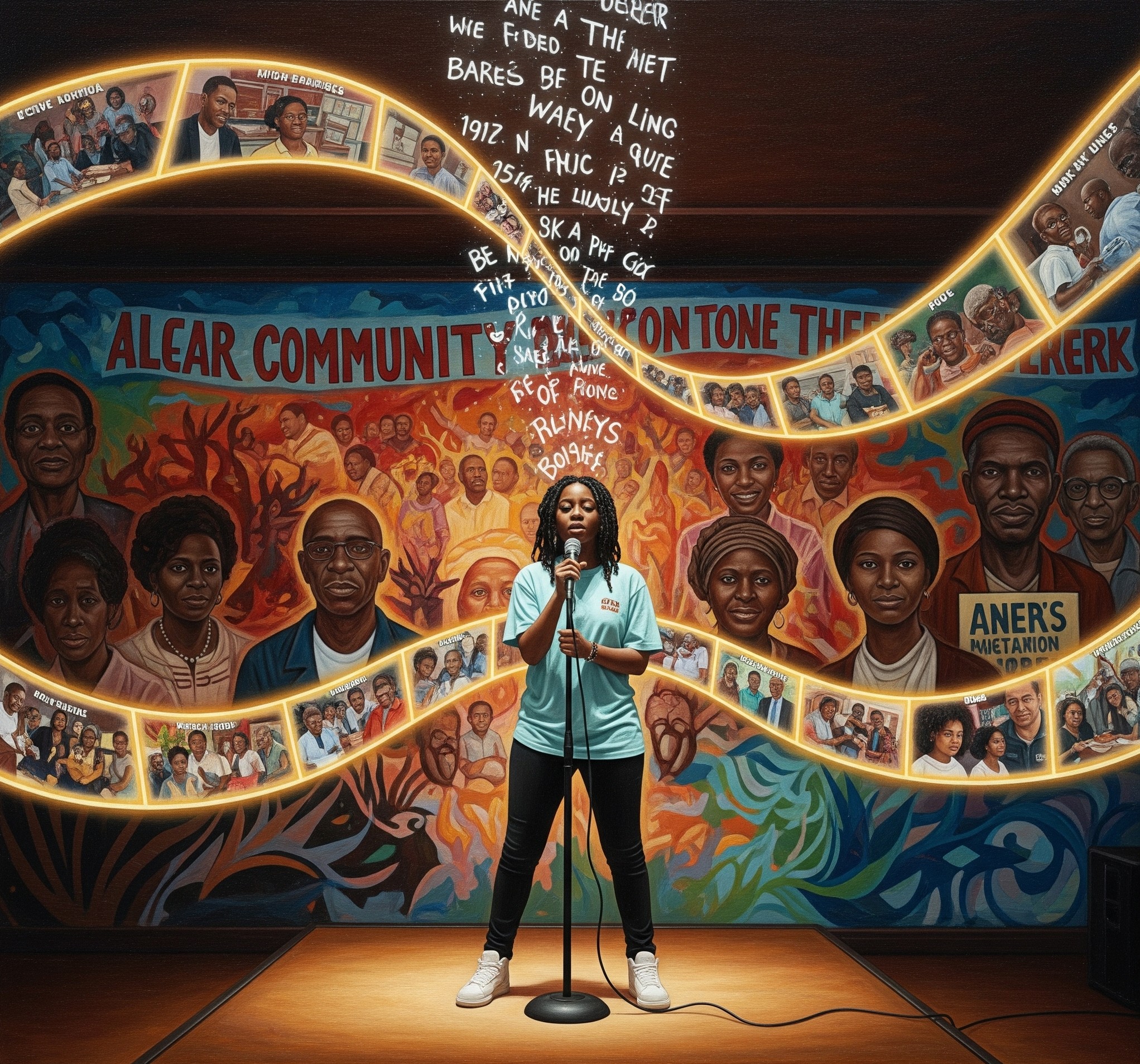
Moreover, a Hip Hop museum or cultural center would serve as an educational resource, preserving the history and evolution of Hip Hop while inspiring future generations. Such an institution would attract tourists, fostering economic growth and community pride.
The Hip Hop Foundation is seeking to address these challenges by offering structured programs and workshops focused on each element of Hip Hop. From Breakin and DJing workshops to graffiti art exhibitions and emceeing competitions, the organization would provide comprehensive support for aspiring artists. Moreover, by incorporating mental health resources and educational initiatives, such as tutoring and career development workshops, the foundation aims to empower young people and adults beyond their artistic endeavors.
One of the key benefits of The Hip Hop Foundation is its potential to improve communication between youth and the arts through hip hop. By fostering a sense of belonging and community among participants, the organization creates a platform for dialogue and expression. Through collaborative projects and performances, young people can develop vital communication skills, build confidence, and forge meaningful connections with their peers. This also includes adults who are veterans in the culture but don't have these resources.
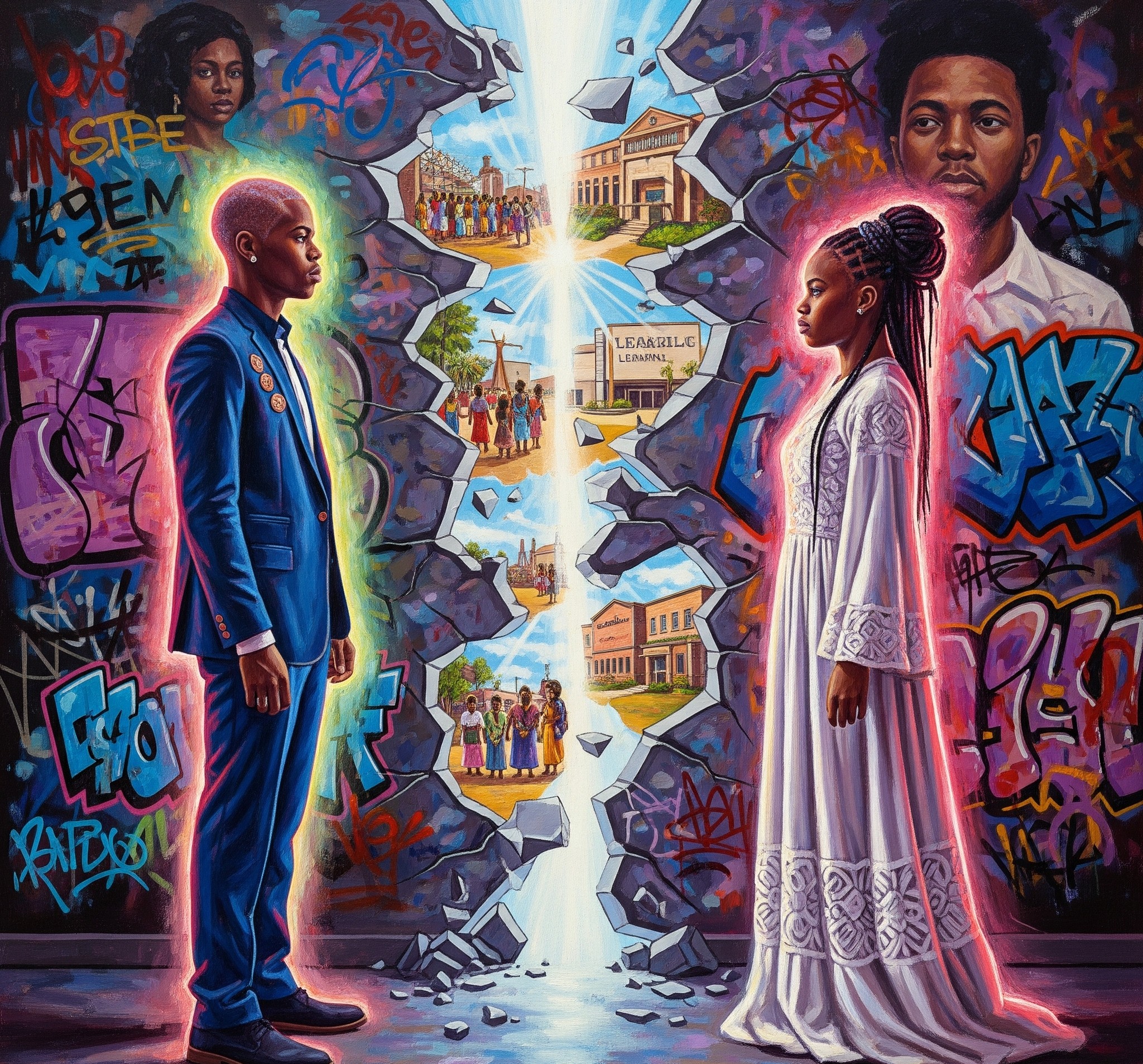
Furthermore, The Hip Hop Foundation seeks to challenge stereotypes and misconceptions surrounding Hip Hop culture. By showcasing the positive impact of hip hop on individual growth and community development, the organization aims to break down barriers and promote inclusivity. Research underscores the positive impact of Hip Hop culture on communities. Hip Hop has been shown to provide therapeutic benefits, improve mental health, and foster social connections. It offers a platform for marginalized voices, enabling individuals to articulate their experiences and advocate for change. For youth & adults, engagement in Hip Hop can lead to increased self-esteem, academic improvement, and a reduction in delinquent behavior. It cultivates skills such as creativity, critical thinking, and teamwork, which are invaluable both in and out of the classroom.
The U.S. Department of Education has reported that students who participate in the arts are more likely to excel academically and socially. For instance, a study by the National Endowment for the Arts found that low-income students who are highly involved in the arts are more likely to graduate high school, vote, and participate in their communities. Furthermore, hip hop culture, with its roots in resistance and resilience, can be particularly empowering for disenfranchised youth, providing them with a sense of identity and purpose.
The Hip Hop Foundation will accomplish this goal through our Hip Hop Culture journalist program that will create blogs, articles, and documentaries on the positive effects of Hip Hop in our communities. Philadelphia stands at a crossroads. By embracing hip hop culture and investing in its infrastructure, the city can unlock a wealth of potential benefits for its residents. The establishment of hip hop venues, museums, and community centers will not only preserve an essential part of our cultural heritage but also provide invaluable opportunities for personal and community growth.
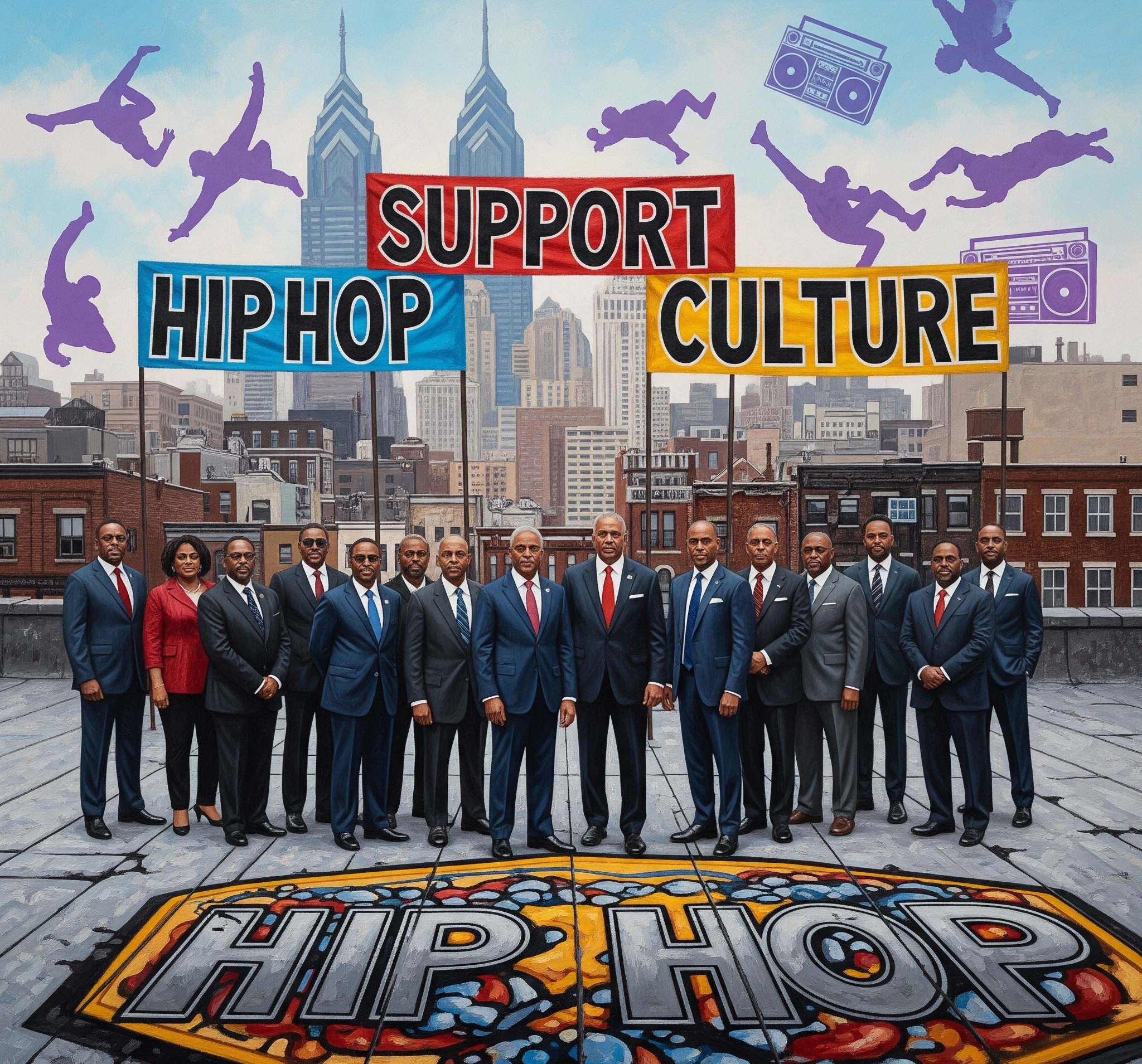
To make this vision a reality, it requires a concerted effort from community leaders, businesses, and politicians. The Hip Hop Foundation Nonprofit Organization of Philadelphia is poised to spearhead this initiative, but it needs support. Local businesses can contribute through sponsorships and partnerships, providing financial backing and resources. Politicians and city officials can advocate for funding and policy changes that facilitate the establishment of hip hop venues and programs.
Community leaders can play a pivotal role by mobilizing grassroots support and highlighting the importance of hip hop culture in public forums. Schools and universities can collaborate with the Hip Hop Foundation to integrate hip hop studies into their curricula, further legitimizing and supporting the culture.
The time for action is now. We call on community leaders, businesses, and politicians to join forces with the Hip Hop Foundation Nonprofit Organization of Philadelphia. Together, we can create a vibrant, inclusive, and supportive environment where hip hop can thrive, and in doing so, uplift the city and its people.
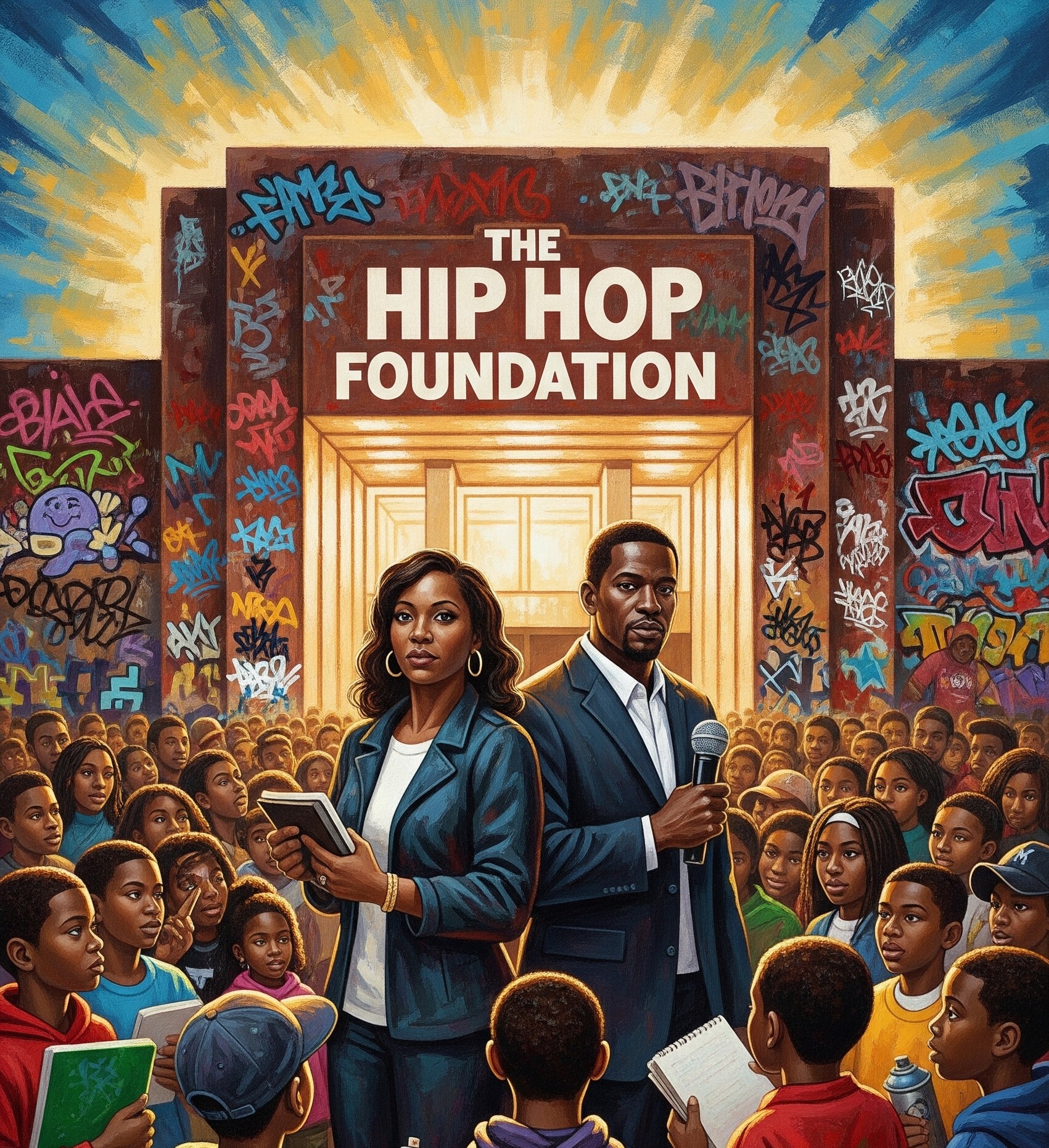
The Hip Hop Foundation represents a crucial step towards providing young people and adults in underserved communities with the resources and support they need to thrive. By embracing the core elements of hip hop culture and leveraging them for growth, education, and mental health, the organization has the potential to uplift generations of aspiring artists and transform communities for the better. So we can all say it together, Long Live The Culture. Long Live Hip Hop!